New Zealand’s management rights sector continues to operate very differently from its Australian counterpart. While the model exists across many tourism regions, it remains smaller in scale, less standardised and, in many cases, less well understood by buyers. Yet interest persists, driven by selective opportunities, tourism demand and a steady flow of new entrants into the market.
According to two brokers working at the coalface of the sector, buyer appetite is present, but it is cautious, targeted and highly dependent on structure.
Selective demand in a tightly held market
Wayne Keene AREINZ, National Director Hotels Tourism & Leisure says demand remains firm, but supply is the limiting factor.
“Demand for management rights in New Zealand remains strong, but quality opportunities are limited. Most existing operations are tightly held, which continues to constrain supply,” he says.
At the same time, buyer enquiry remains highly selective, according to Kelvyn Coffey, Principal of Coffeys Tourism Property Brokers.
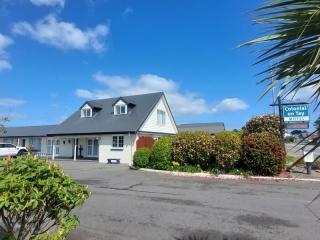
“Buyer enquiry is present, but selective. Interest tends to focus on individual opportunities rather than broad market momentum,” he says. “Many properties come with long tenures and complex structures, and there remains a lack of consistent understanding of the management rights model. In many cases, these businesses sit in the same buying category as motel leases rather than traditional Australian-style management rights.”

A Queensland contrast and why Kiwis head north
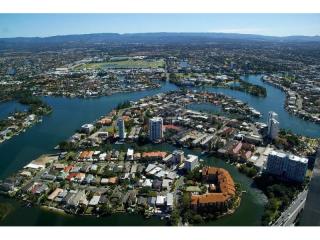
By comparison, Queensland’s management rights model remains far more structured and widely understood, operating within a clearly defined legislative framework. This clarity continues to appeal strongly to New Zealand buyers, with Queensland long established as a popular destination for Kiwis seeking a management rights business offshore.
For many New Zealand buyers, Queensland offers greater deal volume, stronger lender familiarity, clearer resale pathways and a deep ecosystem of brokers, solicitors and specialist financiers. As a result, Queensland continues to attract a significant share of Kiwi buyer demand, often being viewed as the more accessible entry point into the sector.
At the same time, this contrast highlights the opportunity within New Zealand for well structured, professionally advised transactions to stand out and attract serious buyers.
A framework defined by agreement, not uniformity
Unlike Australia, New Zealand’s management rights sector is not governed by a dedicated, purpose-built legislative framework. Instead, agreements sit within the Unit Titles environment and are shaped by individual body corporate contracts, resulting in wide variability.
“Structures vary. Most agreements involve three parties, body corporate, unit owners and the management rights operator,” Coffey explains. “Owner/manager splits can also differ, determined by varying apportionments of operating costs depending on the setup of the letting agreements.
“While growth in per unit revenue has largely kept pace with inflation, profitability is often constrained by a number of running costs increasing at a greater rate.”
This variability remains one of the defining features of the New Zealand market and a key reason many buyers proceed cautiously. At the same time, it also creates flexibility for experienced operators who understand how to structure agreements for long-term performance.
What buyers are looking for
Despite the complexity, buyer preferences are clearly defined.
“Transient accommodation continues to attract the strongest buyer interest over permanent complexes,” Keene says. “Agreements that include the purchase of reception and a dedicated manager’s apartment are especially appealing, as they offer a level of tenure beyond the building management agreement itself.”
Coffey says that clarity remains critical.
“Buyer interest continues to centre on well-located tourism assets with clear income lines, strong letting pools and sustainable operating models. Simplicity and transparency in agreements remain critical decision drivers.”

Valuations remain flat
Valuations across the New Zealand market continue to reflect stability rather than growth.
“Multiples on Earnings Before Interest, Tax, Depreciation and Amortisation (EBITDA) have softened, consistent with what we’ve seen in the motel sector,” Keene says. “The strength and term of the body corporate management agreement plays a major role in determining end value.”
Coffey places the market at around four times the multiplier.
“Multiples are generally sitting at around four times and have remained largely flat. Many assets are worth much the same as they were a decade ago,” he says. “While growth in per unit revenue has largely kept pace with inflation, profitability is often constrained by a number of running costs increasing at a greater rate.”
He also points to the impact of unregulated short-stay accommodation.
“Rising construction costs should theoretically place upward pressure on revenues, thus values through supply shortages, but unregulated short-stay accommodation has distorted the market. During COVID, many Airbnb-style properties exited the market, only to return in force post-pandemic, with little effective regulatory enforcement of the District Schemes (town planning rules).”
Operational pressures persist
For existing operators, profitability is key.
“Profitability remains a pressure point, particularly where operating costs continue to rise faster than achievable room-rate growth,” Coffey says. “Regulatory inconsistency within the short-stay space also continues to create uneven competition.”
Keene identifies agreement security as another core challenge.
“One of the key challenges is securing extensions to management agreements before they expire. Even where it makes commercial sense, most extensions require approval by unit-holder majority, which can be difficult to achieve.”

Shifting buyer demographics
Buyer behaviour has evolved in recent years.
“It has been a challenging few years for sellers, but market sentiment has shifted positively. We’re now seeing the return of habitual investors alongside an increase in first-time buyers,” Keene says.
Coffey confirms changing offshore interest.
“New entrant buyers remain active. In recent years, this has included a noticeable lift in Indian buyers, following earlier waves of interest from Chinese investors.”
Body corporate relationships remain central
At the operational level, the body corporate relationship remains pivotal.
“There has been little change in how body corporates operate. Where managers maintain a strong relationship and clearly demonstrate the value they add as building managers, the dynamic is generally positive and easier to manage,” Keene says.
Coffey adds: “Body corporate dynamics present much the same challenges as elsewhere. Governance expectations, cost pressures and competing owner priorities continue to shape day-to-day management relationships.”
A widely misunderstood model
Both brokers point to education as one of the sector’s biggest barriers.
“There remains a lack of education around the management rights model in New Zealand. It is a very different market to Australia’s eastern seaboard, and many NZ agreements are not structured like Australian models. As a result, costs that would traditionally sit with owners often fall on the manager instead,” Keene says.
Coffey agrees. “There remains a fundamental misunderstanding of how management rights operate in New Zealand. Many buyers approach the sector with caution because of this uncertainty, often giving it a wide berth due to perceived complexity.”
Where future opportunities lie
Looking ahead, both experts point to development, pricing and regulation as the key levers.
“There is a real need for more apartment development with on-site management in key tourism locations,” Keene says. “At present, new development has been difficult to bring to market outside Queenstown, where yields and RevPAR continue to outperform the rest of the country.”
Coffey says: “Improving profitability will require a combination of room-rate growth and a balanced supply and demand equation. Regulation of unconsented short-stay accommodation may play a decisive role in shaping future market stability. At the same time, regulation of short-stay accommodation will play a decisive role in shaping future market stability.”
Despite the structural challenges, New Zealand continues to offer genuine opportunity for operators who take time to understand the nuances of the model. Long-term tourism demand, limited supply in key destinations and the gradual professionalisation of short-stay accommodation all point to a market with solid medium-term upside.
Advice for buyers entering the market
Both brokers stress the importance of specialist advice and financial realism.
“Seek professional advice from an experienced HTL broker who understands the difference between strong primary management agreements and secondary agreements,” Keene says. “It is also critical to engage a lawyer with proven management rights experience who understands the nuances and commercial benefits of each agreement.”
Coffey adds: “Ensure the bottom line is genuinely sustainable. Management rights businesses available depend on locality. Locations such as Mount Maunganui and the Bay of Islands offer opportunities.”
A market defined by caution and opportunity
New Zealand’s management rights sector remains complex, varied and structurally different from Australia’s. Buyer appetite exists, but it is selective. Valuations remain flat, profitability remains under pressure and education remains a barrier.
At the same time, the sector is opening up new opportunity for well-prepared buyers. With offshore interest returning, investor confidence improving and continued demand for professionally managed accommodation in key tourism centres, New Zealand’s management rights market is steadily carving out its own path forward.
Related Content
January Issue of Resort News Accommodation for Sale Management Rights for Sale New Zealand