Most prospective buyers do not need a listing to explain what a motel, hotel, caravan park or management rights business is. They need it to explain what is distinctive about this one.
That distinction is rarely created by broad claims. It comes from the details that allow an experienced buyer to understand the shape of the opportunity, decide whether it fits their criteria and know what to ask next.
For an owner preparing to sell, the quality of those details is one of the most important parts of the campaign. For the broker, the task is to identify which information belongs in the public listing, which material should sit behind an enquiry and how the complete story should be presented to the market.
Specific information gives buyers a point of reference
The first pass through a listing is usually quick. Buyers are looking for enough information to establish relevance before they invest time in a deeper review.
For a management rights business, that may include the nature of the complex, the number and mix of lots, the letting pool, agreement terms, remuneration, duties, the manager’s unit and whether the role requires the manager to live onsite. The position of the office, whether it is on title or subject to exclusive use, and the relationship between the business and real estate components can also materially affect how the opportunity is understood.
For a motel or hotel, buyers may be looking for room numbers and configuration, freehold or leasehold structure, the owner’s or manager’s residence, food and beverage operations, additional facilities, recent trading context and the practical staffing model.
For a caravan park, the composition of the property matters. Cabin numbers, powered and unpowered sites, permanent or annual occupancies, amenities, manager accommodation, land tenure and any documented development capacity can all change the nature of the offer.
Not every point belongs in the headline, and not every commercial detail should be made public. The objective is to provide enough substance for the right buyer to recognise the opportunity without trying to compress the entire information memorandum into a portal listing.
Context is more useful than adjectives
Words such as “outstanding”, “rare” and “unique” have limited value on their own. Experienced buyers are more likely to respond to information that gives those claims context.
A description of a “well-positioned accommodation business” is less useful than a concise account of where it sits, how it operates and what is included in the sale. The same applies to lifestyle language. If a business can be operated offsite, includes a particular manager’s residence, has a defined staff structure or offers a specific mix of accommodation, those details make the proposition clearer without requiring promotional overstatement.
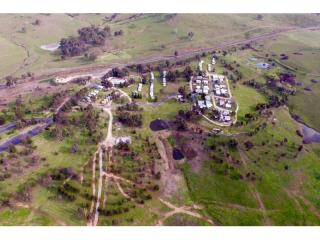
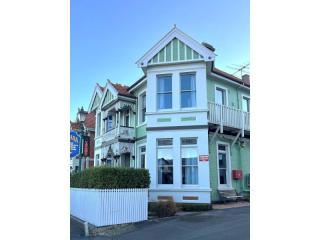
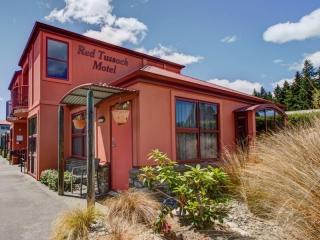
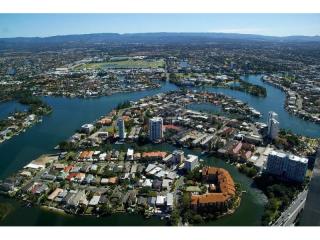
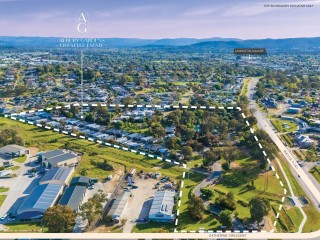
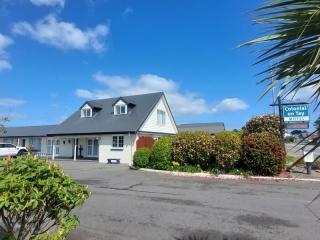
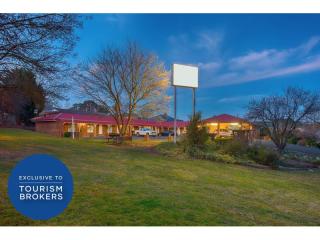
This is also where photography and written information need to agree. Images may establish presentation and location, but the copy needs to explain the commercial and operational structure that cannot be seen in a photograph.
The broker helps shape the information
Owners know their businesses intimately. Brokers understand how buyers interrogate a sale campaign.
The strongest listings usually come from combining those two perspectives. The owner provides the operational knowledge and supporting material. The broker helps identify the details that will matter first, tests whether the information is clear and consistent, and controls how more sensitive material is released through the enquiry process.
That work may include clarifying:
- What is included in the sale and how the components are structured
- Which figures can be stated publicly and which require qualification
- How the accommodation, residence, office and operational areas should be described
- Which agreements, licences, leases or tenure arrangements need to be referenced
- What photography, plans and supporting documents will make the listing easier to assess
- How enquiries will move from the public listing to further information
The role is not to replace the owner’s knowledge. It is to translate that knowledge into a campaign that experienced buyers can navigate.
Owners who have not yet appointed a broker can review the AccomProperties broker directory, which brings together accommodation business brokerage firms across Australia, New Zealand and the Pacific.
Category pages provide the market context
Once the information is in order, distribution matters. Buyers tend to search within established categories and then narrow the field according to their own commercial and operational criteria.
AccomProperties maintains dedicated marketplaces for Management Rights For Sale, Hotels For Sale, Motels For Sale and Caravan Parks For Sale.
These pages give a listing its relevant market context. They also allow buyers to compare opportunities without asking the listing itself to carry every part of the discovery process.
The category is therefore the starting point, not the message. The substance still comes from the quality of the listing and the information supporting it.
Promotion works best when the listing is already strong
Additional exposure can extend the reach and frequency of a campaign, but it cannot compensate for vague or incomplete information.
Homepage placement, priority search positioning, remarketing, social promotion and newsletter exposure are most useful when the underlying listing gives buyers a clear reason to continue.
The current AccomProperties advertising options outline the available listing and promotional packages. Owners and brokers can then decide whether additional activity is appropriate for the business, timing and campaign strategy.
A useful listing opens the right conversation
A public listing does not need to answer every question. It needs to attract the right questions.
That requires more than a category label and a collection of images. It requires enough operational, property and commercial detail to show an informed buyer what makes the opportunity worth examining.
The owner brings the knowledge. The broker helps shape and qualify it. The marketplace gives it context. When those elements are working together, the listing can do what it is meant to do: begin a worthwhile conversation.